We’re actively partnering with WordPress agencies. Sell your WordPress business to M Tech Expert Solutions​.

How to choose an Right SEO Company for Your Business? A Practical Guide

digital marketing results dashboard 5b3d679f (1)

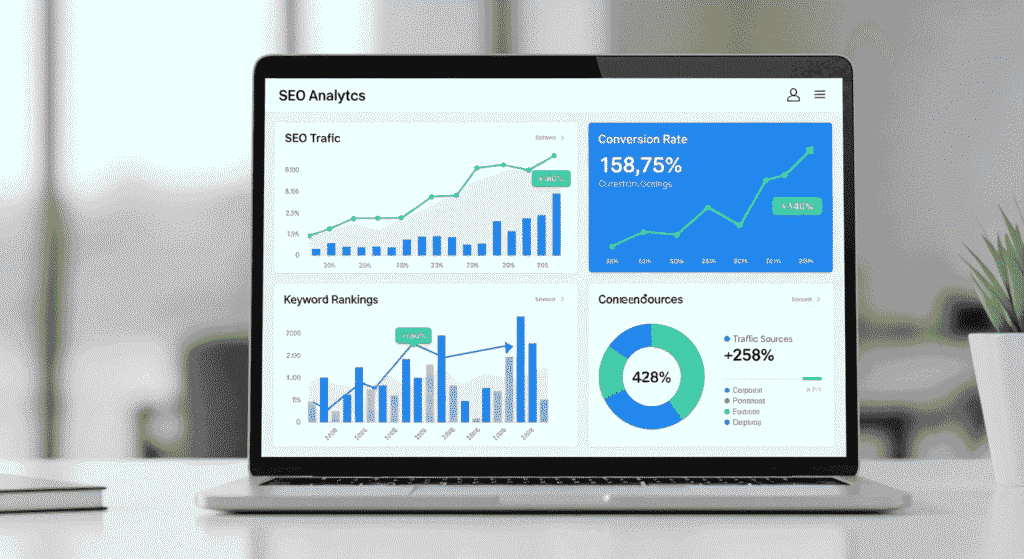
Hiring the right SEO company for your business can be a challenging task. Whether you run a local business (like a plumber, dentist, moving company, lawyer, etc.), a professional service, an e-commerce store, or any kind of SaaS-based business, every business shares the same goal: they want their website to appear at the top of search engine results (SERPs).

Many businesses even pay SEO agencies $1,000+ to reach their ideal customers online.

But how can you really know if the SEO agency you’re considering is actually worth it for your business?

The truth is, getting a new business to the top of Google is not easy. A good SEO agency needs to dive deep into your business, understand it fully, and figure out exactly who your target customers are.

That’s why I’ve created this practical guide. Below, I’ve elaborated on some key points that will make it easier for you to decide how to hire the right SEO agency for your business.

1) Business Understanding:

The first and most important point is that before hiring an SEO agency, make sure they actually understand your business. If they don’t, how will they reach the people who could be your ideal customers?

Example: Imagine you run a bakery and the agency has no idea about your products, customers, or their problems. They’ll likely use generic strategies, which can waste both your time and budget. It’s like a tailor making clothes without knowing your size — SEO won’t be effective if the agency doesn’t understand your business.

2) Reputation & Reviews:

The second point is to always choose a credible agency with available client reviews or testimonials. Reviews act like votes showing whether the agency actually delivers on its promises.

If an agency has positive and detailed reviews, it’s a strong signal that they will do good work for you too. Think of it like trying a new restaurant — you usually go if previous customers had good experiences. The same principle applies to SEO agencies.

3) Transparency & Reporting:

Every SEO agency should provide clear, detailed reports including:

  • Monthly website performance (from Google Search Console)
  • Traffic and user behavior (from Google Analytics)
  • Which keywords are ranking and improving

If the agency doesn’t provide these reports, it means they’re not transparent or accountable. You only really understand the benefits of SEO when you have clear data on your business results.

Best Practices:

  • Prepare a before/after report at the start and after a few months of SEO
  • Check:
    • How the website was performing before SEO
    • Changes in traffic, rankings, and conversions after SEO

This helps you see whether the SEO strategy is working or needs adjustments.

4) Strategy & Approach:

An agency’s job isn’t just to rank your website; they should have a proper strategy. This includes keyword research, content planning, on-page and off-page SEO. Make sure their approach aligns with your business goals.

5) Tools & Expertise:

Check which tools the agency uses and how experienced their SEO experts are. Advanced tools and a skilled team increase your chances of success.

6) Communication & Support:

Communication with the agency should be smooth. If your queries aren’t answered on time or strategy updates aren’t shared, the project can get delayed.

7) Pricing vs. Value:

The cheapest package isn’t always the best. Look at what the agency will deliver for the price you pay. Focus on value and ROI, not just cost.

I had a client who, in 2024, hired an SEO agency for their local business SEO. However, the outsourced SEO company ended up hurting my client’s website domain authority. Let’s discuss the reasons:

Low-Quality Backlinks:
The SEO agency used low-quality backlinks from irrelevant websites. These links were also cheap. As a result, the client’s site rankings dropped, and the website narrowly avoided severe hits.
Keyword Stuffing:
The SEO company was using outdated techniques, believing that unnaturally pushing keywords into content would boost rankings quickly. Instead, it backfired, and the website lost credibility due to keyword stuffing.
Other Issues:
Duplicate content, irrelevant guest posts, and black-hat SEO techniques such as cloaking, hidden text, automated content, link farms, etc., were also used.
And this is happened because they choose a wrong seo outsourcing agency. 
All of this had a very negative impact on my client’s website. I spent six months repairing the site and bringing it back up in rankings. Now, their business has doubled.

How to Identify Whether an SEO Company is Real or Fake?

Nowadays, there are countless agencies in online marketing, but not all of them are real or trustworthy. Fake SEO companies make promises but end up wasting your time and money. To identify a real SEO company, check the following key points:  
  • Portfolio & Case Studies: Real SEO agencies showcase their past clients and projects. If they can share detailed case studies showing keyword rankings, traffic growth, and conversions, it’s a positive sign. Fake agencies usually make vague promises without showing actual examples.
  • Client Reviews & Testimonials: Check the agency’s name and past client feedback in the market. You can look at Google Reviews, LinkedIn, and social media platforms. If most reviews are positive and mention measurable results, the agency is trustworthy. If reviews are fake or missing, proceed with caution.
  • Realistic Promises: Fake agencies often claim “overnight top rankings” or “100% guaranteed Google #1.” Real SEO results take time and rely on a long-term strategy. Any agency making unrealistic or exaggerated promises is a red flag.
  • Transparency & Communication: Real agencies are clear about their process, tools, and reporting. If an agency doesn’t explain details or provide progress reports, they’re not transparent. Fake companies often use vague and confusing terms to avoid accountability.
  • Website & Online Presence Check: A real SEO agency will have a well-optimized, professional website. If their own website is outdated, has broken links, or low traffic, they’re not effectively practicing what they preach.

Can an SEO Strategy Help with Brand Building?

SEO isn’t just about website traffic and rankings — it also helps make your brand strong and credible online. Here’s a step-by-step look at how:

1) Increases Online Visibility and Awareness
When your website consistently appears at the top of search results, people see your brand repeatedly.
Example: If someone searches for “custom chocolate cakes in Lahore” and your website keeps showing up at the top, they naturally remember your brand and start trusting it.

2) Builds Credibility and Trust
Top rankings on Google and high-quality content signal authority to your audience.
When people see that your website is informative and professional, they perceive your brand as trustworthy.
Example: If you run a bakery blog and provide helpful content like “cake decoration tips” or “birthday cake ideas,” people will identify your brand as an industry expert.

3) Delivers Consistent Branding Messages
With SEO, you can maintain a consistent brand voice, tone, and messaging through blog posts, meta descriptions, and social signals. This consistency boosts brand recognition and recall.

4) Encourages Long-Term Engagement
SEO not only drives traffic but also increases content engagement. People spend time on your blogs, guides, and resources, and social media shares make your brand even more visible.
This engagement directly supports brand loyalty and recognition.

Should I Pay for SEO Monthly or on a Project Basis?

A common confusion when hiring SEO services is whether to go with a monthly retainer model or a project-based payment. Both models have their pros and cons, and the right choice depends on your business goals and budget.

1) Monthly Retainer Model
In this model, you pay the SEO agency a fixed amount every month, and they provide ongoing SEO services.

Pros:

  • Continuous Optimization: SEO is a long-term process. Algorithm updates, content improvements, backlinks, and technical fixes need to be monitored every month.
  • Regular Reporting & Strategy Updates: The agency provides monthly progress reports and adjusts strategies, which is essential for your business growth.
  • Long-Term Results: Organic traffic and rankings don’t happen overnight. A monthly retainer allows for steady, sustainable growth.

Cons:

  • Can feel expensive for short-term budgets.

If the agency isn’t accountable, you might not see results despite continuous payments.

2) Project-Based Model

Here, you hire SEO for a fixed-price project, like a “website audit + on-page optimization” or “initial keyword research and content setup.”

Pros:

  • Budget-friendly for short-term or one-time tasks.
  • Clear deliverables — you know exactly what you’ll get once the project is complete.

Cons:

  • SEO is an ongoing process; after the project, you’ll need to maintain it yourself or hire a new agency.
  • Long-term results are limited if continuous optimization isn’t done.

Questions You Must Ask Before Hiring an SEO Agency

  1. Questions You Must Ask Before Hiring an SEO Agency

    1. Do you understand my business and industry?
      Make sure the agency understands your business type, products/services, and target audience. If they don’t, your SEO efforts won’t be effective.
    2. What are your past clients and case studies?
      It’s important to see real results and measurable performance. Check past case studies and client testimonials to get an idea of the agency’s credibility and capabilities.
    3. What is your SEO approach and strategy?
      Ask how they implement keyword research, on-page SEO, off-page SEO, and content strategy. Avoid agencies that rely on random tricks or shortcuts; the strategy should be structured and aligned with your goals.
    4. How do you provide reporting and ensure transparency?
      They should provide detailed monthly reports and progress updates on traffic, rankings, backlinks, and next steps. This ensures you can track the results of your investment.
    5. How long will it take to see results?
      Ask for a realistic timeline and avoid agencies making unrealistic guarantees. SEO is a long-term process; results usually appear within 3–12 months depending on competition and strategy.
    6. What is your pricing structure — monthly or project-based?
      Discuss monthly retainers versus one-time project options. Choose the best option based on your budget and business goals.
    7. Can I terminate the contract if I’m not satisfied with the service?
      The cancellation policy, notice period, and refund terms should be clear. This ensures you have flexibility if the agency does not meet expectations.
    8. Which tools and techniques do you use for SEO?
      Real SEO agencies use professional tools and the latest techniques. Make sure they follow up-to-date and ethical practices.
    9. Will you help with content and brand building?
    SEO isn’t just for rankings; it should also build brand authority and credibility. Confirm that the agency will maintain a consistent content strategy and brand messaging

Conclusion

your business, increase visibility, and build credibility. Choosing the right SEO agency, setting realistic expectations, and maintaining consistent efforts are all crucial.

  • First, understand your business and target audience.
  • Check the agency’s past results, reputation, and transparency.
  • Prioritize strategy, reporting, and communication.
  • Choose a monthly retainer or project-based model based on your short-term or long-term goals.

Remember, SEO results aren’t instant. But with the right strategy and continuous optimization, your business will climb to the top of Google, drive more traffic, and strengthen your brand credibility.

Want a FREE SEO Audit?

Send a free seo audit

Want a Free SEO Audit of Your Website?

X